Guided Lighthouse Tours vs. Self-Guided Visits: First-Timer Comparison
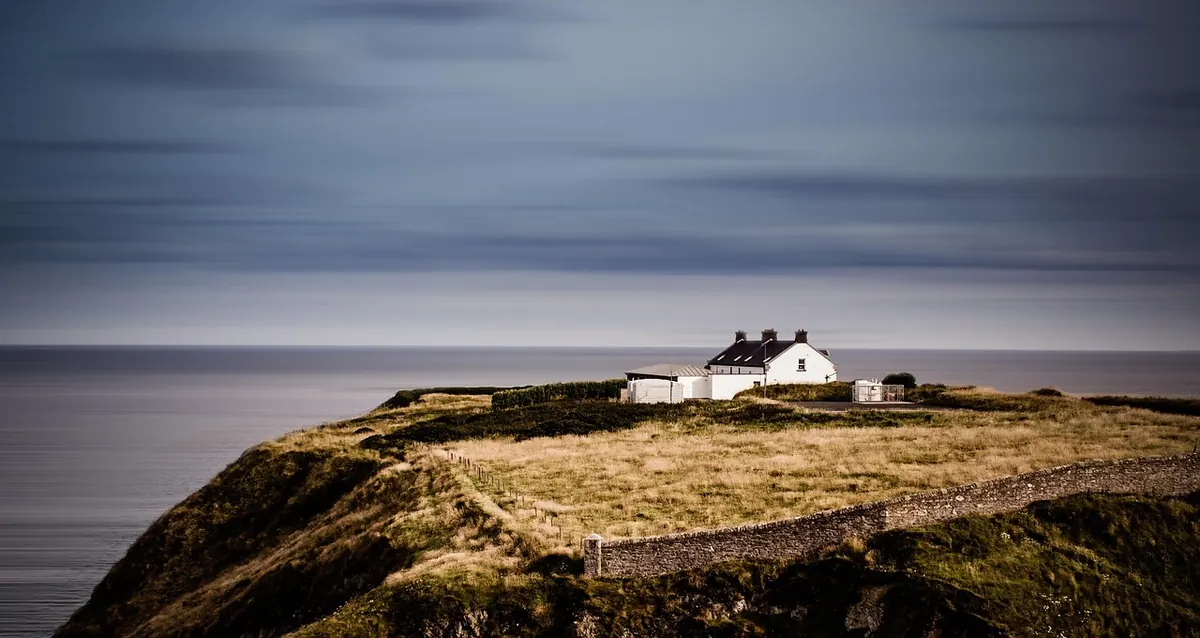
You see the tower from the coast road, white against a grey sky, and pull over. Then the question arrives: do you join the eleven o'clock guided group, or wander the grounds on your own? It looks like a small decision. It shapes what you remember. A guided tour can put a keeper's logbook in your hands and a story in your head; a self-guided visit can leave you alone on the gallery at sunset with nobody telling you to move along. Here is how the two compare on the things that actually matter on a first visit.
Cost: What the Ticket Actually Covers
Self-guided visits are almost always the cheaper option, and at plenty of lights they cost nothing at all: you park, walk the path, read the sign and photograph the tower from the rocks. Where there is a small museum or visitor centre, expect a modest entry fee rather than a full tour price.
Guided tours cost more per person, and the difference is not only the stairs. You are paying for staff time, insurance and the small group sizes that make a lantern room visit workable. Multiply that by four and a family feels it. Before deciding, check what is included: some tours bundle the museum, the keeper's quarters and the climb, while others charge separately. Ask whether the fee supports preservation work, because at many volunteer-run lights it does, and look for membership deals or open days if you plan to visit several towers on one trip.
Access: The Real Dividing Line
Cost is easy to compare. Access is where the two experiences genuinely part company.
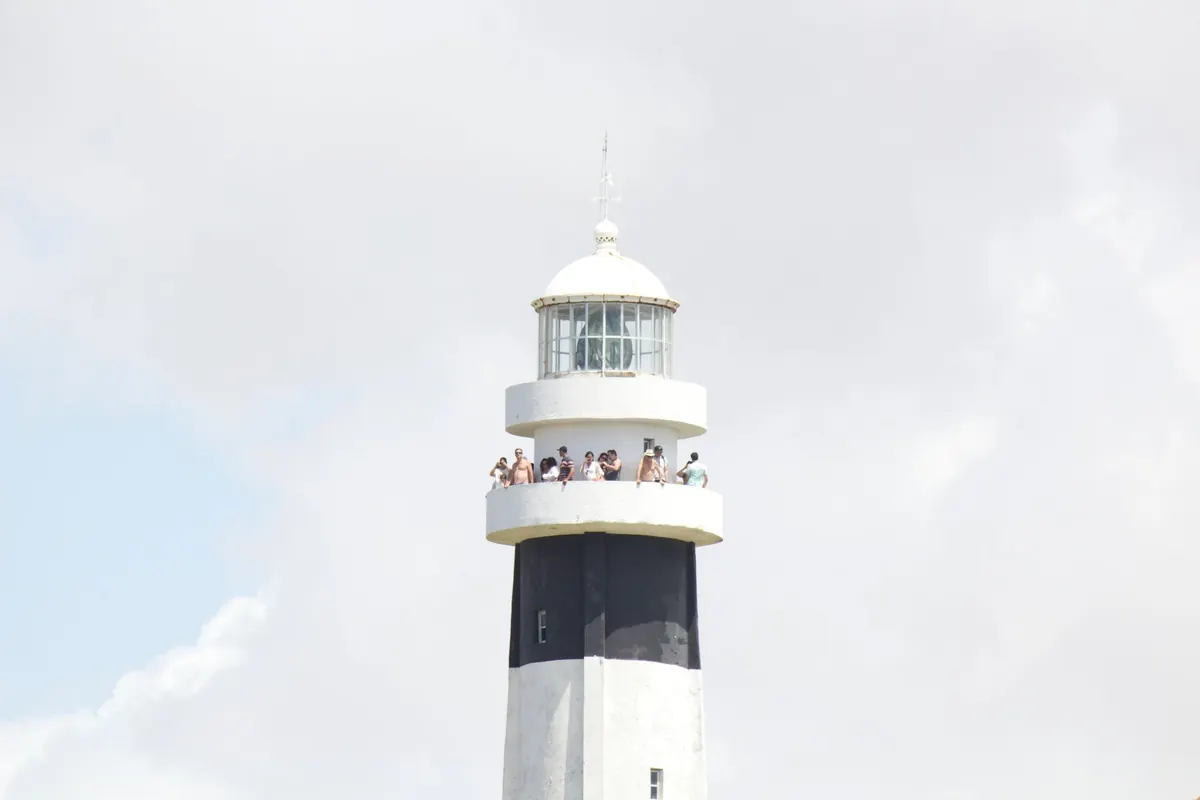
On a guided tour you usually get into the parts that make a lighthouse a lighthouse: the lantern room with its lens, the gallery outside it, sometimes the keeper's quarters and the fog signal building. These are the spaces with the tight spiral stairs, the low iron doorways and the drop on the other side of the railing, which is precisely why many of them stay closed without a guide.
A self-guided visit tends to mean the grounds, the exterior, a museum in the old outbuildings and occasionally a marked route up part of the tower. That can be plenty. Standing at the base of a nineteenth-century tower, reading about the keepers who hauled oil up those steps in a storm, is a good afternoon. But if your reason for coming is to put a hand on the gallery railing and look straight down at the sea, check before you go. "Does the ticket include the lantern room?" is the single most useful question you can ask.
Some lights are guided-only by policy or safety rules. Others run full self-guided museums with staff on the floor. It varies by site, not by country.
Storytelling: Scripted Facts vs. a Good Guide
A good guide earns the ticket. Not because the panels are wrong, but because a guide can tell you which ship went down off the point in 1893, how the keepers' children got to school, why this light flashes a particular pattern, and what happened the winter the fog signal froze. They answer the odd question your kid asks. They point out the pencil marks on a doorframe.
Self-guided interpretation has improved enormously: panels, audio points, short films, restored rooms. It gives you the facts at your own reading speed and lets you skip what you don't care about. What it cannot do is improvise.
If you are travelling with children, a guide's questions keep them moving up the stairs. If you want quiet, a scripted tour can wear thin by the fourth room. Know which traveller you are before you buy.
Pacing: Their Clock or Yours
Guided tours run to a schedule. You book a slot, arrive early, and move when the group moves. Tours typically last somewhere between half an hour and an hour, and you cannot linger on the gallery waiting for the cloud to shift.
Self-guided visits let you set the pace. You can arrive at opening, sit on a bench, come back after lunch or stay until the light goes gold. That flexibility is the main argument for going alone, and it matters most for photographers and for anyone travelling with small children or older relatives who need to rest.
The trade is control over timing. Self-guided sites keep limited hours, close for weather and sometimes shut without warning when volunteers are short. A guided booking gives you a fixed time to be there and a confirmation that someone will be.
Match the Visit to the Traveller
A quick way to choose:
- Photographers and slow walkers: self-guided, early or late, when the light is low and the car park is quiet.
- Families with young children: a short guided tour if the site offers one, because the stories do the entertaining and the group keeps everyone moving.
- Lighthouse history enthusiasts: guided, and ask in advance whether the lens and lantern room are included.
- Cruise passengers or anyone on a tight schedule: guided, since a booked slot removes the risk of arriving at a locked gate.
- Off-season travellers: self-guided, as many tour programmes run only in summer, but call first, because winter openings are often volunteer-dependent.
The Hybrid Most First-Timers Miss
You do not have to choose one. At many sites the best first visit is both: walk the grounds and read the exhibits on your own in the morning, then join an afternoon tour that goes up. You reach the stairs already knowing what you are looking at, and the guide's stories land harder.
Ask about audio guides, volunteer-led weekend tours and open-house days. Some lights run extended openings once or twice a year, when parts of the tower normally closed to visitors are opened with a steward on each landing.
Before You Go: A Five-Minute Check
- Confirm the season, opening days and last entry. Many towers keep shorter hours than the park around them.
- Ask exactly what the ticket covers: grounds only, museum, tower, lantern room.
- Check height and age restrictions for the climb, and whether bags are allowed inside.
- Wear closed shoes with grip. Stairs are worn, steep and often damp.
- Expect wind on the gallery and dress for it, even on a warm day at the base.
- Call ahead if the weather is marginal, since lighthouses close for high wind and lightning.
If you are travelling a long way for one tower, book the guided option and treat it as the anchor of the day. If you are simply passing through, take the free walk and save the tour for a light that really matters to you.
Photo: Maira Matsui / Pexels
Lighthouse Stays vs. Nearby Hotels: How to Choose Overnight Accommodation
A practical comparison of lighthouse keeper cottages and nearby hotels on access, amenities, noise,...
Seven Curious Lighthouse Superstitions and Coastal Legends
A tour through lighthouse ghosts, sailor taboos and wreckers' tales — and a practical guide to telling a...
About Us